Mortgage Process in Raleigh: The mortgage process in Raleigh isn’t just about getting approved — it’s about making sure your loan is built to close in real-world conditions. In Raleigh, Wake County, and the Triangle of North Carolina, buyers who succeed understand that execution, documentation, and local expertise matter just as much as interest rate. This guide from Martini Mortgage Group explains how the mortgage process really works, where deals fall apart, and how to prepare with clarity and confidence before going under contract.
2026 Conforming Loan Limits North Carolina: Essential Updates for Homebuyers
As North Carolina’s real estate market continues to thrive—from the bustling streets of Charlotte to the coastal charm of Wilmington—understanding the latest financing options is crucial for prospective buyers. The Federal Housing Finance Agency (FHFA) has just released the 2026 conforming loan limits North Carolina residents can rely on, bringing exciting news for those eyeing homes in the Tar Heel State. These updates, detailed in Fannie Mae’s Lender Letter LL-2025-04, set the stage for more accessible conventional financing across all 100 counties.
Whether you’re a first-time buyer in Raleigh’s Triangle or a family relocating to Asheville’s mountains, these limits directly influence your borrowing power. In this guide, we’ll break down the conventional loan limits NC 2026, explore the maximum conventional loan amount NC, and highlight the Fannie Mae conforming limits North Carolina – a.k.a. conventional loans – all while showing how they can help you secure your dream home without crossing into costlier jumbo territory.
Understanding Conforming Loans: The Basics for NC Buyers
Before diving into the numbers, let’s clarify what makes a loan “conforming.” Backed by Fannie Mae and Freddie Mac, conforming loans adhere to specific size thresholds that allow for streamlined processing, competitive rates, and flexible terms. In North Carolina—a state with baseline limits—these caps apply uniformly, meaning no matter if you’re shopping in Greensboro’s vibrant downtown or Durham’s tech hubs, the rules are consistent.
This uniformity is a boon for buyers, as it prevents the patchwork of high-cost adjustments seen in pricier metros like San Francisco. Staying under the Fannie Mae conforming limits North Carolina means access to perks like down payments as low as 3% for qualified first-timers and quicker approvals through automated systems.
Official 2026 Conforming Loan Limits Across North Carolina
For 2026, North Carolina’s baseline conforming limits have seen a welcome boost, reflecting the state’s steady home price appreciation. Here’s the breakdown for properties with 1–4 units:
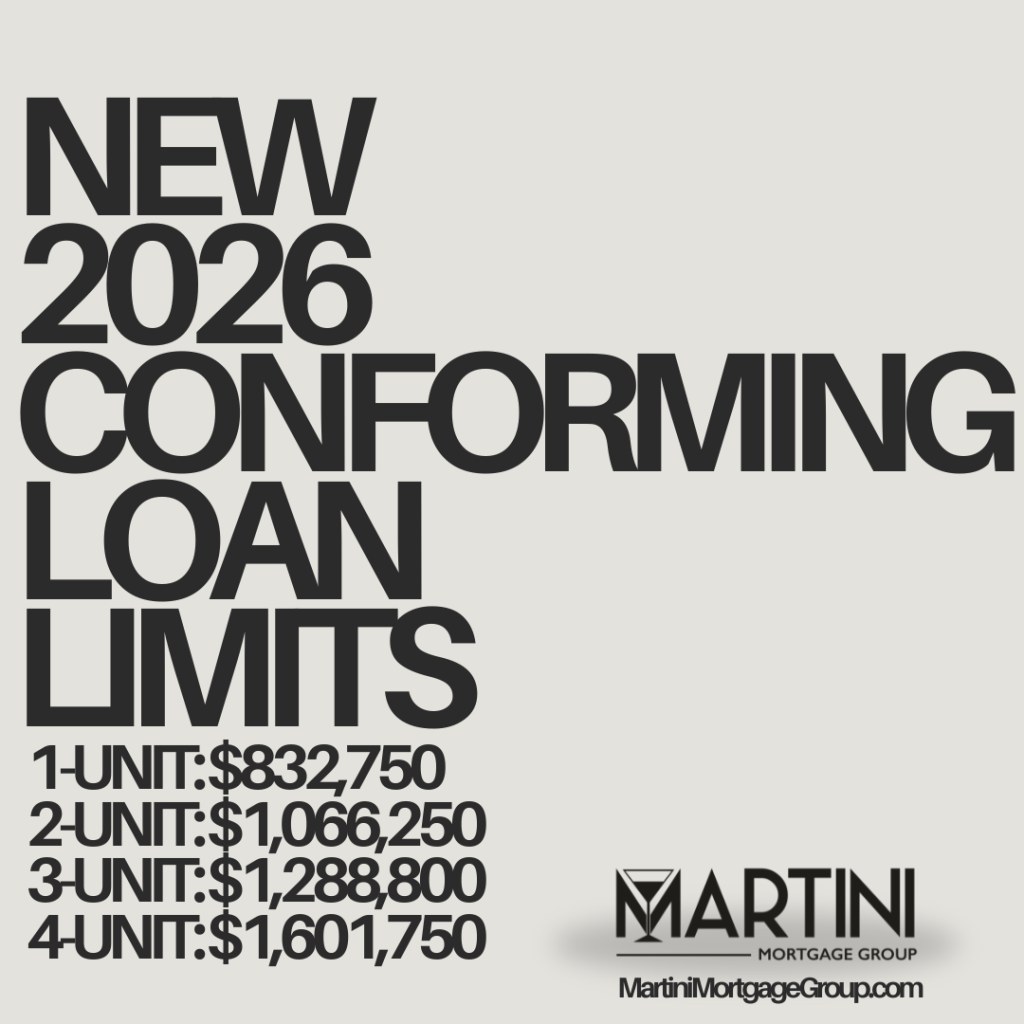
These figures represent the maximum conventional loan amount NC borrowers can secure while enjoying conforming benefits. For single-family homes—the most common choice in areas like Fayetteville or the Outer Banks—this $832,750 cap opens doors to mid-range properties that were once out of reach for many.
Year-Over-Year Changes: A Record-Breaking Jump for NC
The FHFA‘s adjustments aren’t arbitrary; they’re tied to nationwide home price trends, and North Carolina has benefited handsomely. Compared to 2025, the conventional loan limits NC 2026 show some of the strongest increases on record:
- 1-Unit: Up from $806,500 to $832,750 (+$26,250 or ~3.3%)
- 2-Unit: Up from $1,032,650 to $1,066,250 (+$33,600 or ~3.3%)
- 3-Unit: Up from $1,248,150 to $1,288,800 (+$40,650 or ~3.3%)
- 4-Unit: Up from $1,555,250 to $1,601,750 (+$46,500 or ~3.0%)
This roughly 3% rise aligns with NC’s robust economy, driven by job growth in sectors like finance in Charlotte and biotech in the Research Triangle. For buyers, it translates to an extra $25,000–$50,000 in financing power, depending on your property type—enough to cover closing costs or upgrades in competitive markets like Winston-Salem.
Conforming vs. Jumbo Loans: Navigating NC’s Financing Landscape
Not all loans are created equal, especially when exceeding the 2026 conforming loan limits North Carolina. Here’s a quick comparison to help you decide:
| Feature | Conforming Loans (Under $832,750 for 1-Unit) | Jumbo Loans (Above $832,750) |
|---|---|---|
| Interest Rates | Lower (0.25%–0.75% below jumbo) | Higher due to added risk |
| Down Payment | 3–5% for most buyers | 10–20%+ |
| Credit Requirements | More flexible (often 620+ FICO) | Stricter (typically 700+) |
| Approval Process | Automated and fast | Manual and lengthy |
| Best For | First-time or move-up buyers in Cary or Boone | Luxury homes in Pinehurst |
Opting for a conforming loan keeps things simple and affordable. If your target home pushes past the maximum conventional loan amount NC, jumbo options exist—but they demand stronger financials and could add thousands in extra costs over the loan’s life.
How These Limits Empower North Carolina Homebuyers
With home prices climbing amid low inventory and influxes from out-of-state migrants, the updated Fannie Mae conforming limits North Carolina couldn’t come at a better time. In high-demand spots like the Piedmont Triad or coastal communities in New Bern, this means:
- Expanded Affordability: A first-time buyer with 3% down could finance up to $857,792 (loan: $832,750; down: ~$25,042). That’s a solid starter home in many suburbs.
- Repeat Buyers’ Edge: At 5% down, you could reach $876,579 (loan: $832,750; down: ~$43,829), ideal for upsizing in family-friendly areas like Concord.
- Refinance Opportunities: If your existing mortgage dips below these limits, refinancing could lock in better rates—saving hundreds monthly in places with rising utilities like Wilmington.
Real-world example: Imagine a young professional in Chapel Hill eyeing a $850,000 townhouse. Under 2026 rules, they stay conforming with a modest down payment, avoiding jumbo hurdles and qualifying faster to beat out-of-town cash bidders.
Tips to Maximize Your NC Mortgage Strategy by Logan Martini
To leverage these conventional loan limits NC 2026 fully:
- Pre-Qualify Early: Get approved to shop confidently across NC’s diverse markets.
- Explore Programs: Pair conforming loans with NC Housing Finance Agency initiatives for down payment assistance.
- Monitor Local Trends: In growth hotspots like Mooresville, act soon—inventory won’t last.
- Consult Experts: A local lender can tailor options to your county’s nuances.
Frequently Asked Questions About 2026 Conforming Loan Limits in NC
What is the 2026 conforming loan limit for a single-family home in North Carolina?
$832,750—the baseline for all counties, covering most buyers’ needs.
How do the 2026 limits compare to 2025 in NC?
A solid 3%+ increase, giving you more room before jumbo loans kick in.
Can I refinance under these new Fannie Mae conforming limits North Carolina?
Absolutely, if your balance qualifies, potentially dropping your rate significantly.
What’s the maximum conventional loan amount NC offers for multi-unit properties?
Up to $1,601,750 for 4 units, perfect for investors in rental-heavy areas like High Point.
Are there high-cost adjustments for any NC counties?
No—NC sticks to baseline limits statewide, simplifying things for everyone.
Ready to Unlock Your NC Homebuying Potential?
The 2026 conforming loan limits North Carolina are a game-changer, boosting your budget and easing the path to ownership in this dynamic state. From the Blue Ridge Mountains to the Atlantic shores, these updates make conventional financing more inclusive than ever.
Don’t navigate this alone—connect with a trusted mortgage advisor today to crunch your numbers and explore personalized paths forward. Whether you’re in the market for a cozy bungalow in Hendersonville or a modern townhome in Morrisville, the right strategy starts now. Schedule your consultation and turn these limits into your advantage!
Logan Martini

Related Posts