Bridge Loan: Buy Your Next Home Before You Sell
A bridge loan can help a qualified homeowner use equity in their current home to buy their next home before they sell it. For homeowners…

A bridge loan can help a qualified homeowner use equity in their current home to buy their next home before they sell it. For homeowners…
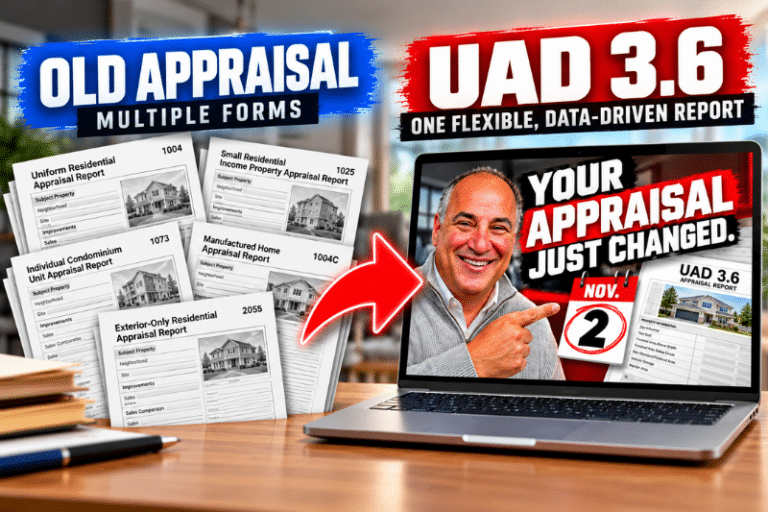
UAD 3.6 appraisal changes are reshaping how residential appraisal information is collected, organized, reviewed, and delivered for mortgages sold to Fannie Mae and Freddie Mac,…

Mortgage rates above 7% make choosing the right Raleigh mortgage lender more important because your lender decision affects more than today’s rate. Kevin Martini of Martini Mortgage Group help North Carolina homebuyers evaluate the total cost of borrowing, including points, loan structure, and future refinance opportunities. Your mortgage servicer may change after closing, but ongoing mortgage management can help you evaluate when keeping, refinancing, or restructuring your mortgage makes financial sense.